
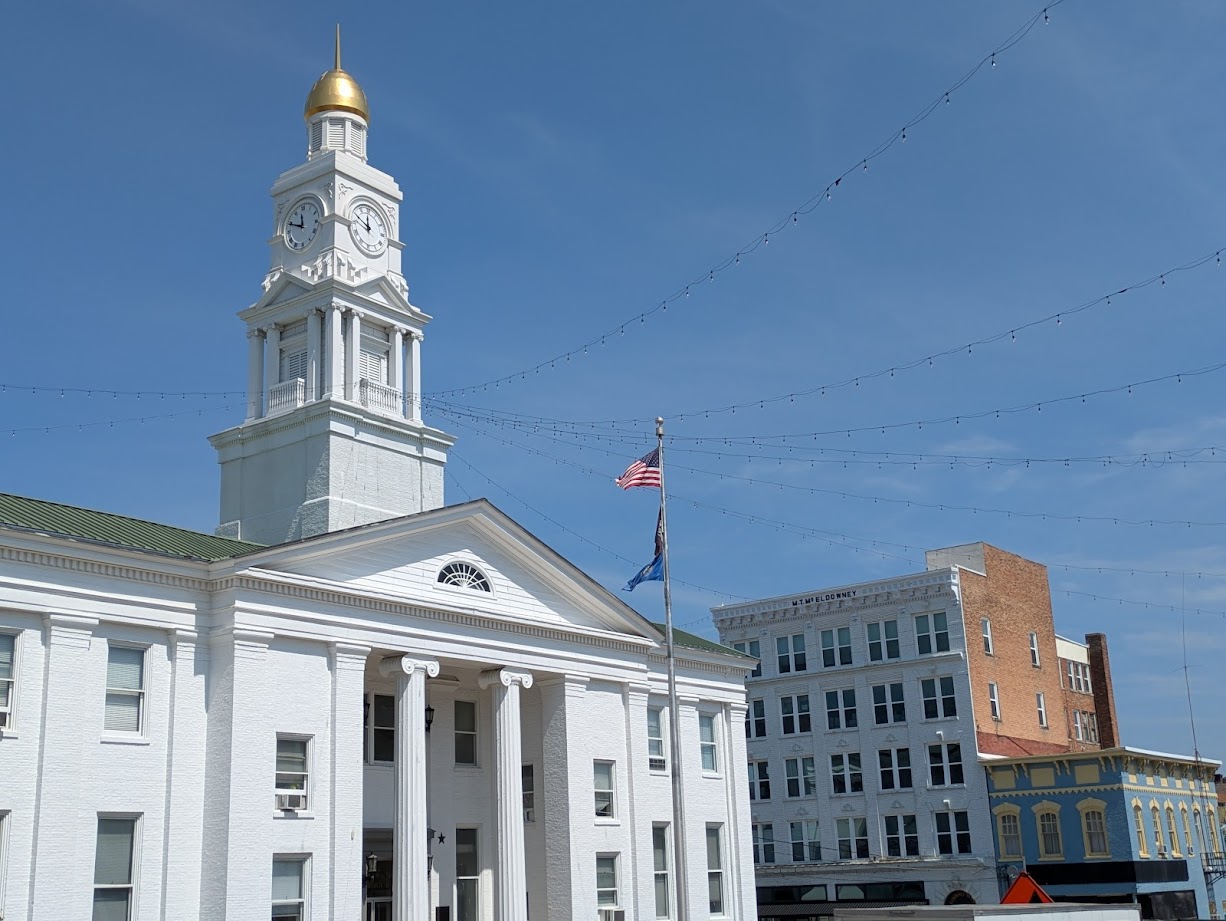
Last week, I made the case that local government, as well as other private and quasi-governmental institutions such as tourism commissions and chambers of commerce, have a role to play in the success of local businesses.
But why should wage-earning taxpayers care or help foot the bill for private-sector businesses? It’s a fair question, and one I will address today.
I pointed out last week that shoppers tend not to visit a town because of its cookie-cutter chain stores and restaurants, but they will make the intentional trip to experience something unique to that town. There are some towns in the area—I’m thinking specifically of Wilmore and Berea as examples—that tend to “punch above their weight” when it comes to attracting out-of-town business. If you’ve ever visited either, you know the reason. Each offers a unique setting with interesting options for shopping and dining.
But again, why should those of us who are not proprietors care?
Ultimately, having these unique shops in our town, especially in our historic downtown, helps define the character of our community and turns it into a destination. As they say, a rising tide lifts all boats. When businesses thrive, everyone benefits.
Let’s start with the direct benefits to residents. Who wouldn’t want their town to be charming, attractive, clean, and inviting? A town with a varied selection of places to find something distinctive for one’s home and a variety of things to see, do, and eat. A town that boasts locally-owned shops where visitors receive a friendly greeting from people who also live, work, and shop there. A vibrant, bustling downtown or neighborhood can boost morale and give residents a stronger sense of pride and belonging.
Then there is the all-important economic impact. When we spend our money locally, especially at locally-owned businesses, we contribute to the economy of Winchester and Clark County. However, when visitors to our town spend money here, we receive a double benefit, as that money is coming into our community from outside.
We should be especially grateful for those businesses that have established a regional customer base. Every dollar spent here by out-of-towners not only sustains that business, it also pays the wages of its employees, the taxes that fund our schools, government services, and infrastructure. And it creates new jobs.
Ultimately, having these unique shops in our town, especially in our historic downtown, helps define the character of our community and turns it into a destination. As they say, a rising tide lifts all boats.
When businesses thrive, everyone benefits.
I often hear people comparing Winchester to Mt. Sterling in a negative light. They ask why a town half the size of Winchester has more places to eat and shop than we do. Sometimes, there is a suggestion that local leaders have intentionally held back development for some unknown reason. I don’t buy that.
Although we’re just 20 minutes down I‑64 from Mt. Sterling, the economic situations of the towns are vastly different. Mt. Sterling has historically been the shopping center of several smaller counties: Powell, Bath, Menifee—even eastern Clark County.
Winchester, on the other hand, has the misfortune(?) of being basically a suburb of Lexington, with its 300K+ residents and its malls and other attractions. When you live 20 minutes from Hamburg—that sprawling and rapidly growing shopping and dining destination on Lexington’s east side—you have many options. And people making the trek from Eastern Kentucky to visit Lexington pass us by.
Never miss a thing with our FREE weekly newsletter.
In simple terms, Mt. Sterling may be smaller, but their market is bigger.
But what if we turned our misfortune at our proximity to the city into an advantage? What if we could draw shoppers and diners from Lexington who have a strong urge to experience the variety, charm, and beauty of a thriving small town? And in their own backyard!
I believe Winchester is on the verge of a breakthrough in this quest, if we don’t fumble the ball. Why do I believe this? I’ll talk about that next week.
(You may want to check out a story by our tourism director, Jill Hamlin, to learn about her passion for drawing visitors to Winchester and Clark County.)
