

When fear drove faith indoors, it didn’t end belief — it displaced it.
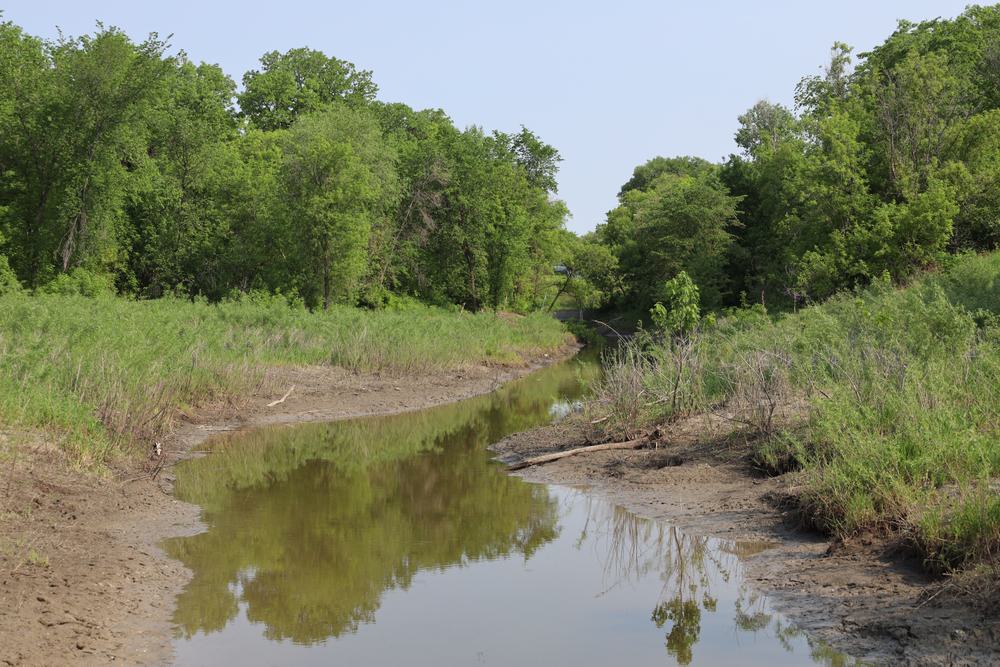
Some followed the river.
Some followed the woods.
Some followed the quiet pull toward places where their bodies could breathe again.
And often, those paths led to water.
Not the sanitized kind poured from a font, but creeks cold enough to steal your breath. Springs cupped in two hands. Rivers that held grief, joy, and long memory in the same current.
In the hills, water has always been more than symbolic.
It cleanses.
It marks passage.
It welcomes people back into themselves.
There’s a line in the song Baptized in Mud by PsychWitch that stopped me in my tracks the first time I heard it:
“Found more spirit in the weeds than I ever found on my knees.”
For many Christians, that line sounds like rebellion.
Like rejection.
Like someone walking away from God.
But for many of us who grew up in church — especially in Appalachia — it sounds more like a confession.
Because some of us didn’t leave the faith. We left a version of it that could no longer hold our questions, our bodies, or our grief.
“Used to walk that chalk line, right up to the chapel door / Spoke of fire and damnation, said I couldn’t ask for more.”
The chalk line is familiar.
Stay inside it.
Believe the right things.
Ask the approved questions.
Don’t wander too far or you might fall away.
“When churches become places where belonging must be earned, people often begin searching elsewhere for what their souls need most.”
Misty Gay
Yet Scripture itself is full of wanderers.
Abraham left home.
Moses met God in the wilderness.
David wrote psalms beneath open skies.
Jesus preached from hillsides, boats, and fields far more often than from temples.
And still, many of us were taught that God lived primarily behind a pulpit.
“Said my soul was thirsty for a water pure and white... But every single sip they gave me just felt like a long, dark night.”
Jesus promised living water.
But somewhere along the way, that water became conditional.
Grace preached.
Judgment practiced.
Freedom named, but carefully fenced.
So when people walk away, it’s often not because they want less holiness. It’s because they are starving for the kind of holiness that heals.
When creation preaches what the church forgot
PsychWitch sings:
“Now I wash my hands in the river, baptize my feet in mud / Got a new congregation, runnin’ in my blood.”
To some Christian ears, that language sounds dangerous.
Almost sacrilegious. But baptism itself didn’t begin in church buildings.
Jesus was baptized outdoors, in a muddy river, among people the religious establishment had largely overlooked. The Jordan wasn’t sanitized.
It was public.
Messy.
Embodied.
Alive.
Throughout Scripture, God consistently meets people in creation.
God speaks through a burning bush.
A whispering wind.
The Psalms declare that the heavens reveal God’s glory.
Paul writes that God’s nature is visible through what has been made.
So when people say they find God in the woods, the river, the stars, or the dark soil beneath their fingernails, they aren’t inventing something new.
They are remembering something old.
“Traded pews for forest floors and sermons for the breeze.”
That isn’t abandoning worship. It’s relocating it.
Judgment was never a fruit of the Spirit
One line in the song feels especially revealing:
“Traded their harsh judgment for the whisper of the flood.”
Jesus gave us a measure for healthy spirituality:
Love.
Joy.
Peace.
Patience.
Kindness.
Gentleness.
Harsh judgment never made the list.
When churches become places where belonging must be earned, people often begin searching elsewhere for what their souls need most. And if Christians are wondering why Paganism, folk spirituality, or earth-based practices appeal to so many people today, this matters.
Those spaces often offer what churches sometimes failed to provide:
Belonging without interrogation.
Ritual without shame.
Sacredness without threat.
That doesn’t mean everything found there is right or complete. But it does mean people are responding to a hunger that deserves to be taken seriously.
Freedom was never the enemy of the Gospel
The song says:
“The box they built was sturdy; the walls were thick and high / But a soul that’s meant to wander can’t be afraid to fly.”
Institutions prefer order. God often seems more interested in transformation.
Jesus broke Sabbath expectations to heal.
Touched the unclean.
Challenged religious leaders who loved rules more than people.
So when people say:
“They called my freedom sin; I just call it a new reply.”
Sometimes that reply isn’t rebellion.
Sometimes it’s discernment.
Sometimes it’s someone saying: I still believe in the sacred. I just no longer believe it looks like what harmed me.
Baptism still happens — just in familiar waters
“No more holy water, no sir / Just the river runnin’ deep.”
For some Christians, that line sounds like loss. But maybe it’s an invitation.
Because in these hills, water has always been holy.
Creeks baptized scraped knees and broken hearts.
Rain carried prayers into the ground.
Mud held the weight of grief and kept growing things anyway.
Before doctrine decided who belonged, water did the welcoming.
Baptism didn’t begin in a sanctuary.
It happened in mud and moving current, among people who knew what it meant to be washed clean by something that asked nothing of them but presence.
Even as churches tightened their grip, the creeks kept calling.
Offering renewal without interrogation.
Grace without fear.
A place to begin again.
So when some left the steeple behind, they weren’t leaving holiness.
They were following it downstream.
Maybe the question isn’t why people are leaving the church. Maybe the question is why the river feels safer than the sanctuary.
If God is love, then God cannot be confined to places that wound the people who enter them.
Never miss a thing with our FREE weekly newsletter.
Some are meeting God again:
In moonlight instead of fluorescent lights.
In silence instead of sermons.
In dirt instead of doctrine.
Not because they hate Christ.
But because they are still looking for him.
And perhaps, if the church is willing to listen instead of defend, repent instead of explain, love instead of control, it might discover that the Spirit it fears losing has simply been moving where it always has.
Out beyond the walls.
Down by the river.
Still speaking.
Still healing.
Still welcoming people home.
