
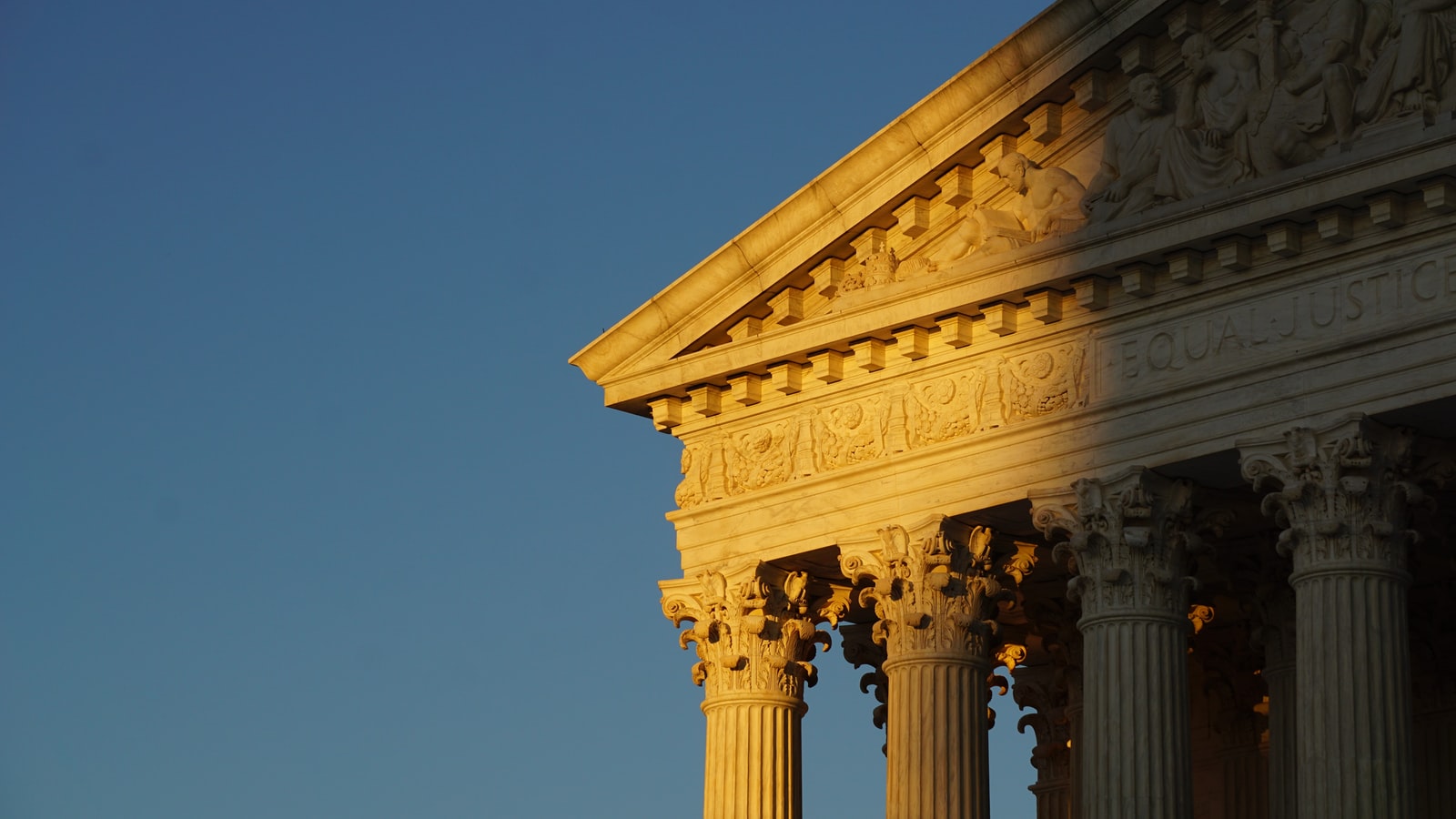
Something unprecedented happened during the first week of May. A full copy of a draft Supreme Court decision regarding abortion rights was leaked to the public.
Leaks from the court are not particularly unusual but never to the extent of this leak. Usually, it’s mostly snippets of conversations between the justices or anecdotes about the court.
But there are some issues related to this event that are not receiving much discussion or attention. Virtually all news sources are discussing the outrage of the leak itself and how it might affect the relationships between the justices and the press. Or about the impact of the decision on the future rights of women to make decisions about their own healthcare. Or the effect on other rights that are now assumed but are not specifically codified in the constitution.
But there is far less appreciation of how the state of the court got to this point.
First, it should be stated that Senator Mitch McConnell has contributed mightily to the current situation of the court being overloaded with conservative justices. His also unprecedented maneuvering in 2016 denied the Senate the opportunity to take up the proposed appointment of Merrick Garland by President Obama. McConnell claimed that it was only proper for the “next” president to make that appointment. This occurred some nine months before President Obama would even leave office — so for that extended period, the court functioned with only eight justices after the death of Justice Antonin Scalia. It should also be noted that this delaying tactic had not been used since Reconstruction.
Never miss a thing with our FREE weekly newsletter.
And so, with the connivance of the senator, President Trump was placed in the rare position of making three appointments to the court. All three of whom had, in committee hearings and in private meetings with individual senators, indicated their support for upholding the 45-year-old Roe v. Wade decision — and who are all now aligned to overturn that decision. One can only wonder what McConnell’s position would have been had Clinton been elected.
Secondly, voters have never seemed to fully understand the importance of the court when it comes time to elect a president. Who could have predicted in 2016 that the election of Trump would result in such a monumental change in the makeup of the Supreme Court?
The third issue relating to this event is the nature of the “advise and consent” practice, in which a Senate committee grills the court nominee, sometimes unmercifully and almost always from a partisan perspective. These hearings are essentially moot. Questions are seldom designed to elicit information but rather to embarrass or put the nominee on the spot. Consider Senator Washburn’s question of nominee Jackson, “How do you define a woman?” The only issue before the committee should be whether or not the nominee has the legal qualifications to be a Supreme Court justice. Most people don’t even realize that a law degree is not a qualification for being a justice.
Fourth, lawyers and judges are just people like the rest of us. We might expect something extra of them: a sense of fairness and impartiality, a deep understanding of the history of the law in this country. But the truth — as has been amply demonstrated of late — is that many of these nominees are either outright liars or at least capable of bending the truth to its breaking point. Like most of us, they are people who aspire to greater things — and what could be greater to someone in the legal profession than a seat on the Supreme Court? And some of them will either prevaricate or obfuscate as necessary to achieve a goal.
The week of May first will be one for the history books. Only time will tell if it’s a history of disaster or one of conciliation and beneficial change.
