
Any “feed” we open these days screams inhumanity. I wonder why we allow ourselves to be fed, like pigs from slop buckets, with stories of pedophiles, stormtrooper abductions, lawless lawmakers, and the like. End of sermon.
In stark contrast to the hyperbolic culture wars, most of us navigate our days in relationship to a phenomenon we call “neighbors,” ontologically, those who “live nearby,” practically, people we count on. There is a rhythm to how we treat and are treated by people we consider neighbors; the most profound example, the mythic confrontation on display in Minneapolis, where local people who know and love each other have united to resist an invading, dark army. End of sermon two.
Here at home in Winchester, I am thankful for my neighbors. They have keys to my house. They are experts on everything from plumbing leaks to brown leaves on house plants. I return from travel to find my rollout back in the garage, dinner in the fridge, mail piled on the dining room table, and more. I try to reciprocate these acts of kindness, but usually I feel inadequate in returning the abundance heaped upon me in our town.
Abundant love for other people is a fundamental human characteristic. I reflect on all the places I have lived and the myriad neighborly experiences I have witnessed. Being a good neighbor is universal.
I lived with a mother-daughter combo in a fourth-floor walkup in a Soviet apartment tower in the middle of Ukraine. Most summer weeks did not pass without the mom dropping off a basket of tomatoes from her dacha to the elderly granny upstairs, or my surrogate daughter creating Christmas ornaments for other residents in the building when snow began to fall.
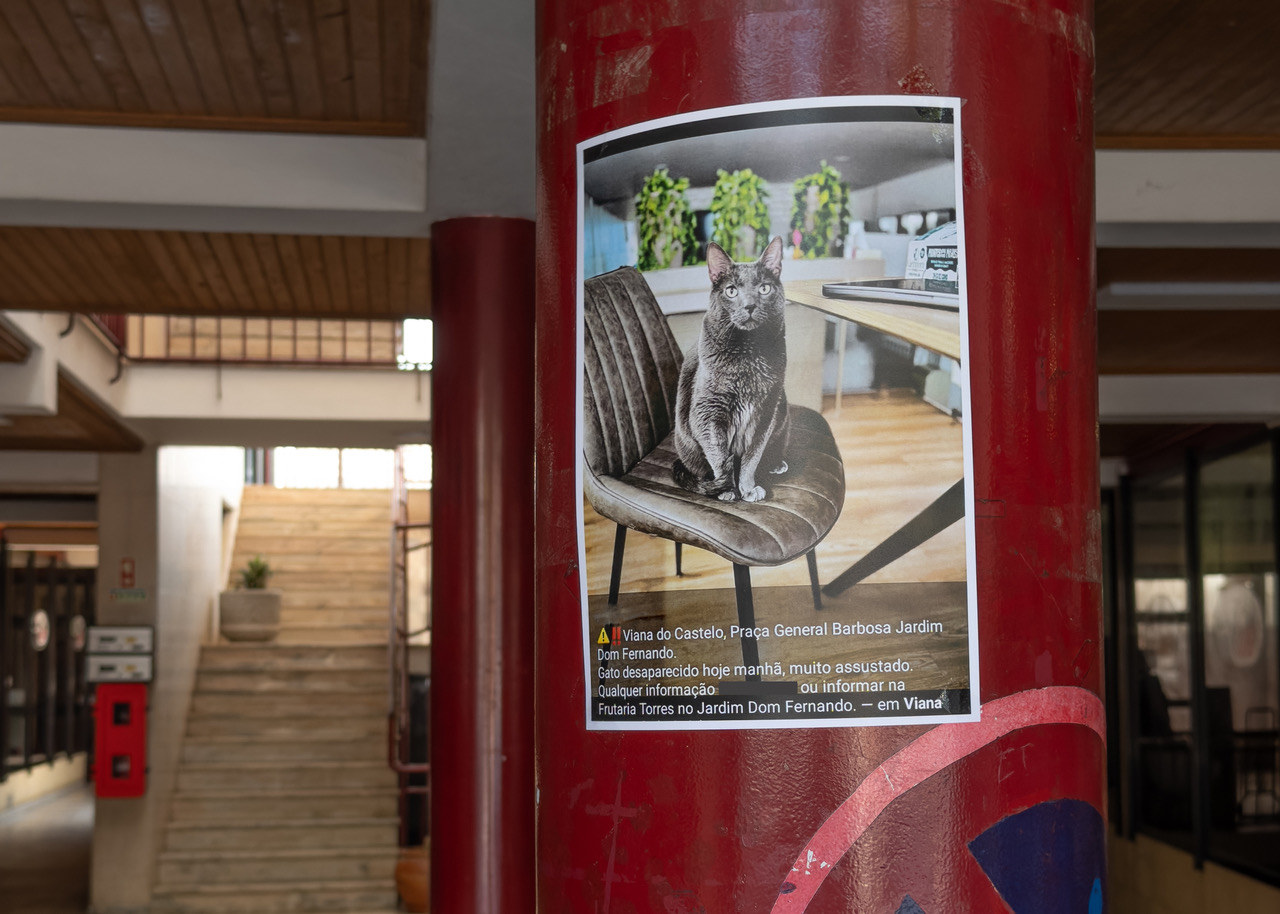
Once, I feared I had lost my cat from an apartment in Portugal. The woman who owned the vegetable market on the building’s ground floor immediately took and posted pictures of the wayward feline on every post in the vicinity. Shopkeepers on my street embraced the search. I was certain that the alarm contained an addendum: “the crazy American has lost his cat.” But my neighbors were all good-hearted and earnestly relieved when I reported that the “missing person” had been hunkered down in a closet, not wandering an alley.
Never miss a thing with our FREE weekly newsletter.
My mother was a pistol-carrying-copperhead-blasting-city-slicker-turned-mountain-mama who insisted she was just fine at home when we tried to relocate her to the big city from her 130-acre farm. Late in life, she refused to be estranged from JD, who mended her fences; Gary and Janice, who brought her fresh goat’s milk; Pete and Diane, whose bookstore had a fireplace and all the new titles; and Durlene, who fixed her hair the way she liked it. Mom repaid all those gifts with contributions of her own, baking cakes and cookies, spreading them around like spiritual seed corn to neighbors she loved and respected.
My point is, I’ll bet you an Ale‑8 that if you examine your own life in our town, you will find yourself blessed by people who look out for you, perhaps even when you don’t look out for yourself.
At this time in history, we all experience unending currents of hostile effluent washing over us. I find comfort in the words of Shakespeare’s Sonnet 116 and Casey, a recent Uber driver. Shakespeare wrote, “Love is not love which alters when it alteration finds, or bends with the remover to remove.” Casey said, “You know, we get along best when we don’t have to choose sides.” Preach.
We are still a nation (and world) of neighbors. I hope we don’t forget it.