
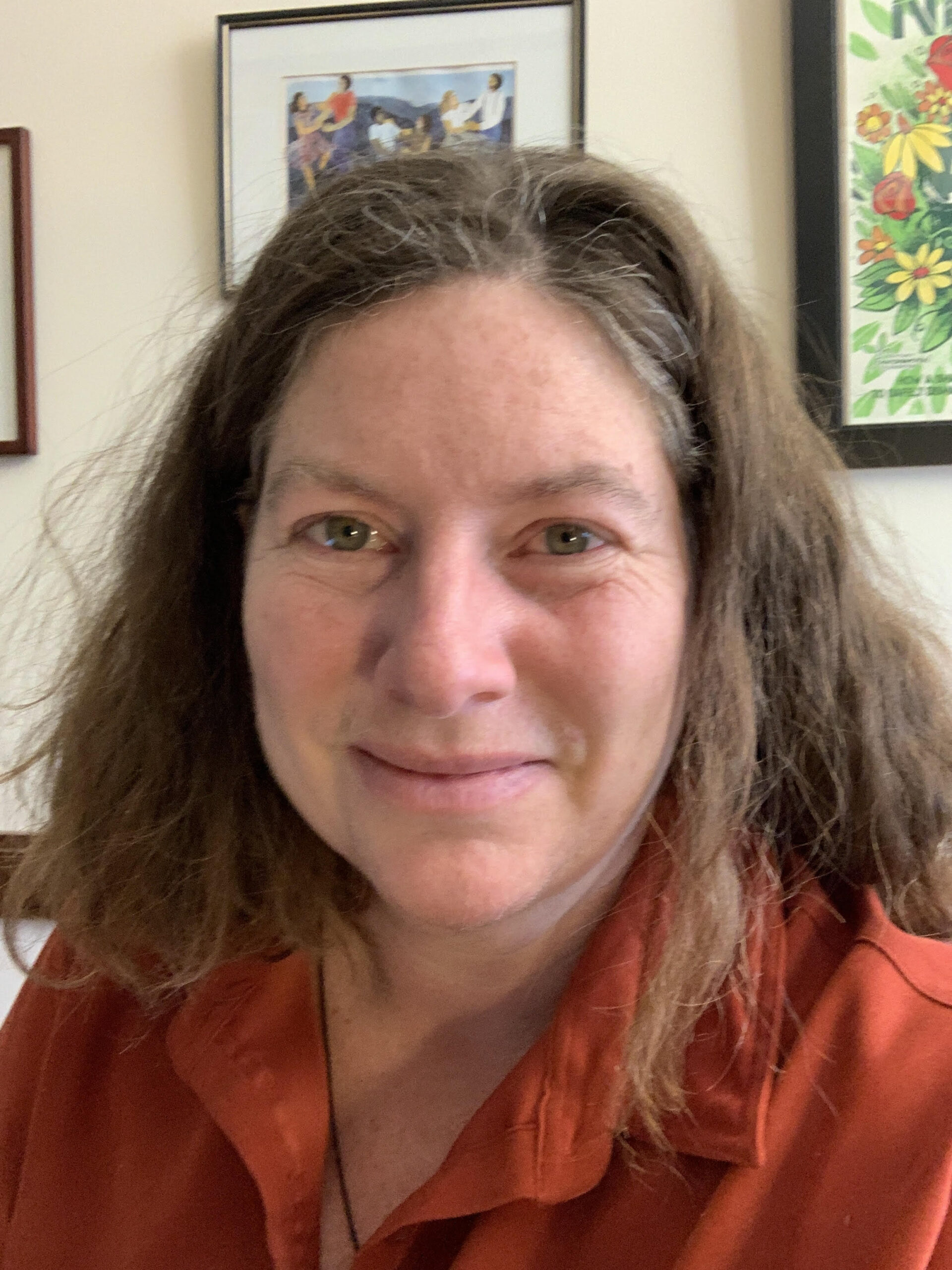
I’ve been fortunate to be part of a number of close communities — Winchester most recently. In childhood, in Lexington, I found a community of friends at a horse barn; in college, one of my biology classes included field trips, and our friendships grew while hiking through forests and cranberry bogs. In upstate New York, during graduate school, my friend group grew together with potluck thanksgivings, sledding, pub crawls, and camping.

When my children were small, in Chicago, my community of parents and kids extended from our apartment courtyard to a range of nearby playgrounds, where my eldest learned to jump rope and where my youngest learned to walk by pushing wheeled toys with neighbors from Belgium, Iraq, Alaska, Chicago, and Utah.
I moved back to Kentucky 10 years ago, and found community at Berea College and soccer sidelines, at happy hours and Native Bagel breakfasts. When I met my husband Jim, I began to get to know some of Winchester’s community spaces: Abettor Brewing, Loma’s, Engine House Pizza, In and Out Bar-b-que, and Jim’s workplace with Emmanuel Episcopal’s congregation.
In March of 2020, Jim and I married quietly (thanks Judge Julia!), hoping for a celebratory church blessing in summer. Within hours of our ceremony, we found that COVID was closing all kinds of community spaces, just as we began planning our household by the Kentucky River. When the river flooded that home, less than a year later, friends from Berea and Winchester came to help us rinse the mud, launder our clothes, and get back on our feet, still months before we got to invite them to our blessing of marriage.
As the COVID threat shifted and our rebuilding at the river concluded, we realized how much the Winchester community matters to us, and we moved from the river into town. We now live within walking distance from friends and restaurants and parks.
I’m finally back in the classroom at Berea, teaching two courses this term about sustainable communities. We’re reading Heather McGhee’s The Sum of Us: What Racism Costs Everyone and How We Can Prosper Together. I see how we need, here in Winchester, a public pool and public transportation, better sidewalks and walking connections, and stronger protections for renters and low-income mortgage buyers. I see where we need more trees and better comprehensive healthcare, especially for women, stronger public schools, and affordable, high-quality childcare.
I also see here what we have: strong community theater at Leed’s, a Farmer’s Market with new infrastructure investment, Legacy Grove park linking neighborhoods across town, Abettor Brewing offering space and advertising to local craftspeople at Night Market.
We have friends and neighbors with food trucks including Bell on Wheels and Tacos Luna Y Mas, and others with brick and mortar businesses, like Tokyo and Taj Bistro, which offer flavors to delight and expand our experiences beyond the traditional flavors of central Kentucky.
Never miss a thing with our FREE weekly newsletter.
We have Mason, whose curation brings beauty to our homes and tables; we have Eklectic Alchemy, where we find whimsy and history and art, combined. We have local car detailers and framers, Dirty South Pottery, and a post office whose workers might stay late to let you pick up your mailed baby chicks at the end of a long day’s work.
I went yesterday to a Habitat for Humanity home dedication and recognition of months of teamwork and effort, a dozen churches and even more donations, making a home for one family dear to Winchester, but also investing in a neighborhood. We have so much here, and I’m glad to call this city home.
We need each other. We are, together, workers and artists, plumbers and painters, athletes and elderly, students and teachers, nurses and patients, elected and elector, black and white, straight and gay.
What we have learned with COVID — I’d hope — is that we must value laborers, and if we need people’s services we must pay what they need to live on. While COVID has made the richest richer, and the poor even more vulnerable, we have also seen supply chains break under the loss of those who make things move. We haven’t figured out the logistics of labor and healthcare and childcare and housing, for everyone, but we know we rely on this community to make it all work, even those here who we don’t know yet.
I’m glad to have gotten to live in a range of communities, and I’m glad of all the friendships and experiences that have shown me what good communities can be. I’m really glad to live in Winchester. We have great restaurants, a downtown with healthy anchor businesses, good parks, and a variety of people trying to work together and inclusively. And if we work together and help each other, not just through our churches and groups but across our divisions, Winchester can keep getting Better, Together.