
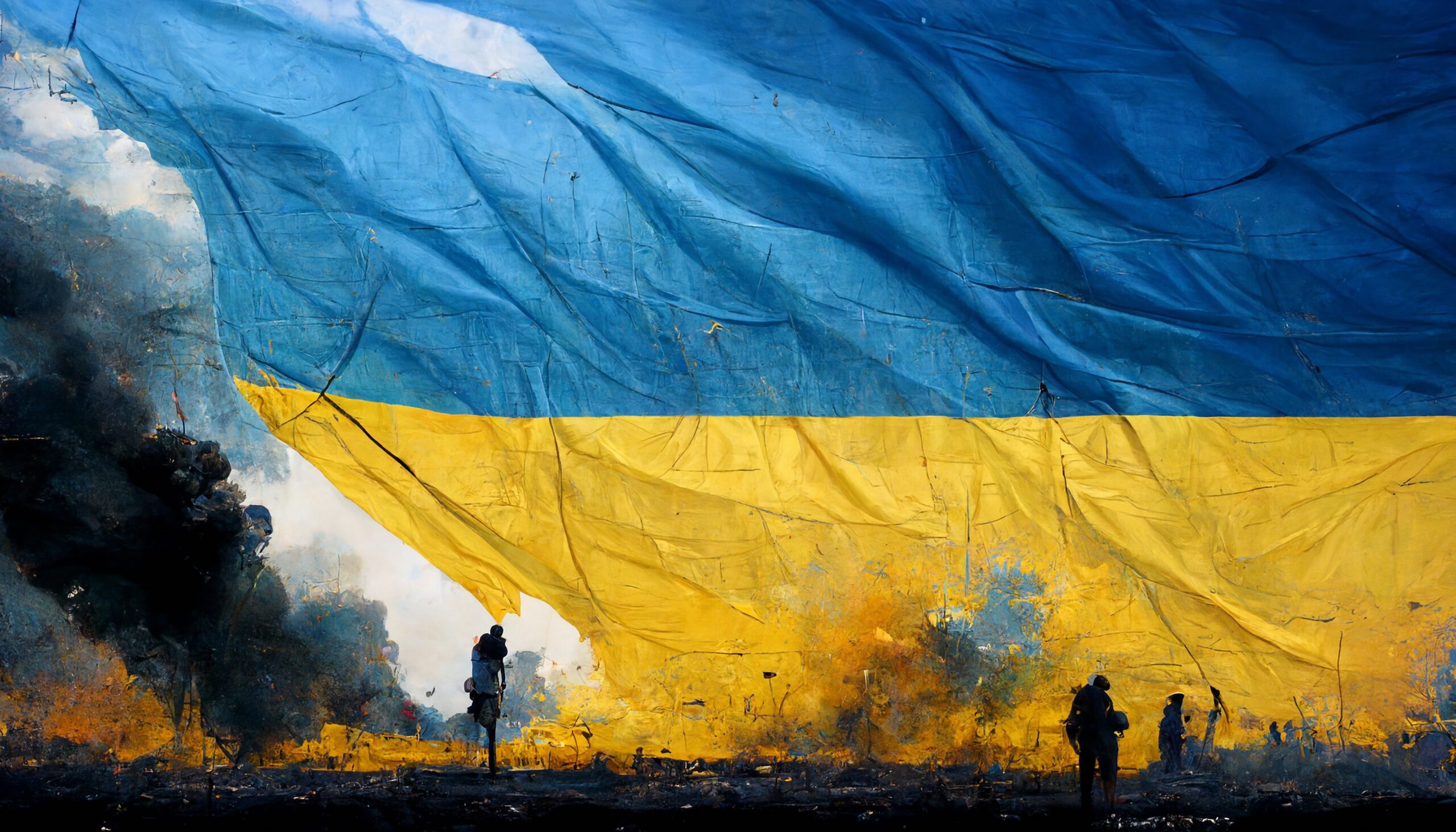
Current events are eerily – and ominously – imitating those that have gone before.
And those who have the power to control or alter these events appear to be woefully ignorant of what has previously transpired.
In March 1938, Austria became a part of Germany in the Anschluss, a bloodless takeover fomented by Austrians enamored with Germany. Because no country opposed to this annexation did anything material other than issue “notes of protest,” Hitler was emboldened.
An area of Czechoslovakia called the Sudetenland was ceded to Germany later that same year, in September, leading British Prime Minister Neville Chamberlain to declare “peace in our time.” The Sudetenland had been incorporated into Czechoslovakia in 1919 and contained about three million people who were either German or were allied to the German cause. Germany proclaimed that those of German descent in the area were being mistreated by the Czechoslovak government and used this as a ruse to demand its incorporation into Germany.
One year later saw the beginning of World War II when Germany invaded Poland and Britain declared war on September 3rd, 1939.
This acquiescence by Czechoslovakia, France, and Britain during all of 1938 led irrevocably to total war.
Fast forward to 1991. Ukraine declares independence from Russia and begins running the country with its own government.
In 2005 newly elected Yushchenko promises to lead Ukraine towards affiliation with NATO and the EU.
Five years later, pro-Soviet Yanukovich is elected president, but is removed from office by parliament in 2014. At this point the parliament in Crimea is seized by pro-Russian forces and Moscow annexes the territory (ala Austria, 1938).
Zelenskyy is elected president in 2019 and continues moving Ukraine toward alliances with the western powers.
Russia begins massing troops near the Ukrainian border in the spring of 2021, alleging “training exercises” while Putin continuously proclaims he has no intention of invading Ukraine (ala Poland, 1939).
On February 21, 2022, Putin says Ukraine is an integral part of Russian history being run by a puppet government managed by foreign powers at the same time that he orders “peacekeeping forces” into two breakaway regions in eastern Ukraine after recognizing them as independent (Sudetenland).
February 24, 2022, Putin authorizes “special military operations” in Ukraine, and missile and artillery strikes begin on the major cities including Kyiv.
And so, after Ukraine’s thirty years as an independent nation, and more than eighty years after Hitler initiated events that are now being mimicked by Putin, the rest of the world — including the United States this time — is pondering how to address this current conflict, even to the point of debating how much aid to supply to Ukrainian forces battling to maintain their nation’s independence.
Another step back in history.
In 1940, President Roosevelt finally convinced Congress to accept the Lend-Lease Act, after Britain had been struggling against Germany for a year, desperately pleading for military aid. Surely one can see the comparison between Britain in 1940 and the Ukraine in 2022. And if one can see that comparison, one must also be aware that, without the material aid provided by the United States in 1940, Britain may well have succumbed to the power of the Nazi state, as Ukraine will yield to Russia now without outside help.
Congress is now divided on this issue. Some in that body feel that the United States has done enough, more than its share and far more than our other NATO allies have done.
What seems apparent – despite the advanced age of many members of Congress – is that too few of them understand these conflating historical events. While Senators like McConnell and Graham appear to support continued support for Ukraine, others like Senator Paul do not.
Those who question the commitment of the United States to Ukraine decry the cost. Yes, war is costly and this one is running up the tab in both materials and money.
Never miss a thing with our FREE weekly newsletter.
But there are overriding questions that must be asked of those in Congress who want to suspend the support of this country.
How will China view the commitment of the United States to Taiwan if we walk away from Ukraine?
Will North Korea decide that it can overwhelm South Korea and impose its totalitarian régime on the lower part of that peninsula as it attempted to do in 1950 because the U.S. won’t respond as it did then?
What will be the cost, not only in money and material, but in the lives of American servicemen and servicewomen if Russia is allowed to suck us into another land war in Europe? Because if Putin is allowed to consume Ukraine, does anyone believe that he will stop there?
Hitler didn’t. Just ask historians who know about France and Belgium and the Netherlands and Norway and Finland.
