
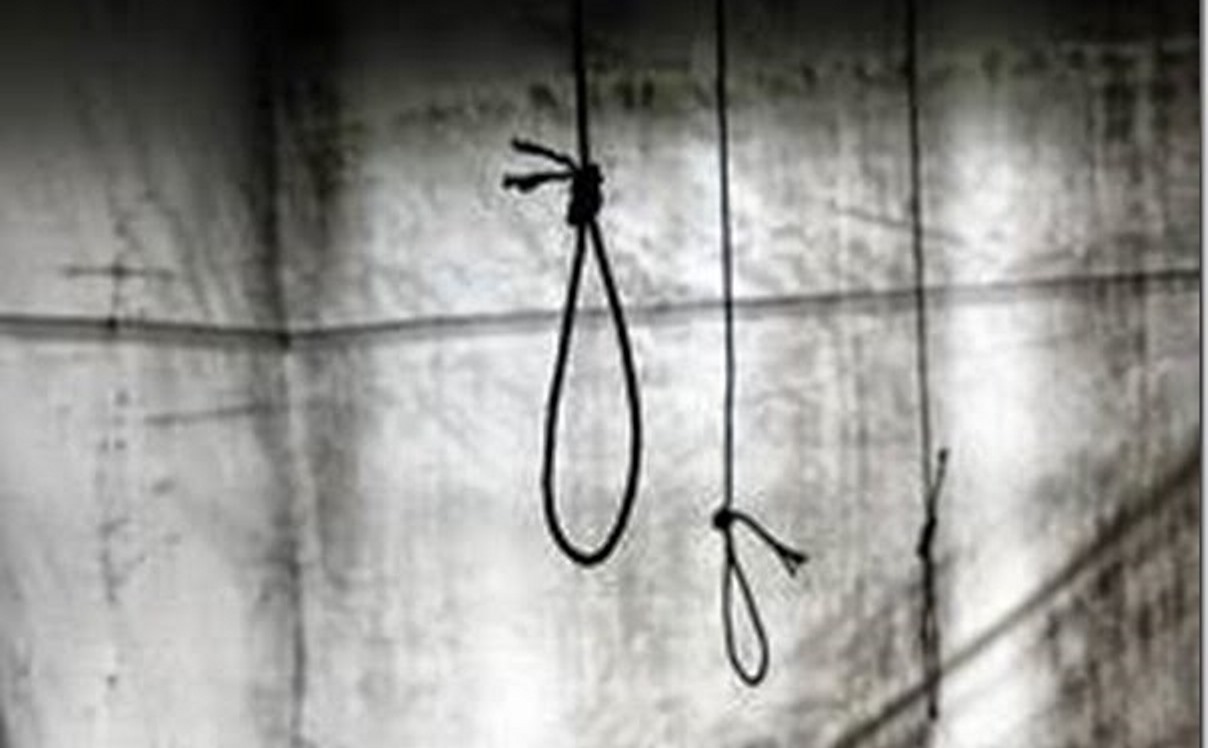
We’ve all seen it in movies and on TV. We’ve read about it. Most of us, hopefully, learned something of it in school. The famed African American jazz singer Billie Holliday famously sang about it.
It goes by different names. Vigilante justice. Racial terrorism. Lynching.
Someone would be accused of a crime. Before the justice system had a chance to process the case, a group of men — a “lynch mob” — would gather, kidnap the accused, take him out somewhere, and summarily execute him, usually by hanging.
To be sure, the victim was not always a Black man. But in the history of our nation, that was more often than not the case. Particularly in the American South, following the Civil War and the emancipation of four million formerly enslaved Black people, many of these newly-freed persons were the targets of lynch mobs.
According to one source I found, there were 4,743 known lynchings in the US between 1882–1968. Of those, 3,446 of the victims were Black.
But that was in the South, right? Kentucky was nominally a Union state. Lynching wasn’t a thing here, was it? Again, according to the source linked above, there were 142 lynchings of Black people in Kentucky during that period. Now we’re hitting close to home.
Want to get closer?
Would it surprise you to know that local historians have identified at least six Black men who were the victims of lynchings right here in Clark County, Kentucky?
I want to list the names of each, but even doing that reveals a truth about the history of Black people in America: only four of the six have their full names recorded for history. In the case of one, we only have his last name, and in another, we are only told the name of the white person to whom he “belonged.”
Ben Johnson
Bob Haggard
“A young Black man named Knight”
“A Black man ‘belonging’ to Daniel Sphar”
Fielding Waller
William Hart
It’s difficult to process the truth that there was such a time in our history. A time when a man was known only as the property of another man. A time when such a man could be accused of a crime and then executed without a trial by his neighbors. A man whose very name is lost to history.
Read more
Local historians have documented cases of lynchings in Clark County.
Terry Foody, a Kentucky author and member of the Kentucky Humanities Speakers Bureau, wrote a piece for us about one incident that took place in southern Clark County in 1895 she calls the Ford fiasco.
Our own Harry Enoch, who has written numerous books and newspaper articles about local history, compiled a detailed investigation into all six of the known lynchings that took place in Clark County in a piece called racial terror in Clark County.
Thankfully, we don’t have that particular problem anymore, right?
Except that lynching is dead only in name.
To take one example currently in the news, what about Ahmaud Arbery? Is the fate of that young Black man really all that different from the fates of some of those 3,446 Black men who were lynched in this country?
Some of my white friends want us to “get over the race thing.” The truth is, only some of us have the privilege to do so. Ahmaud Arbery’s family cannot. George Floyd’s family cannot. Breonna Taylor’s family cannot.
Never miss a thing with our FREE weekly newsletter.
Black parents who feel obliged to teach their children that they must be extra vigilant when dealing with white authorities cannot “get over it.”
They live with the history and the present reality every day. The reality that systemic racism is still alive and well in the United States of America. That justice for white folks is not always the same as justice for Black folks.
Until more of us wake up to that reality and begin to demand change, none of us is truly free. The first step is learning the truth. This is why history is so important. This is why we need to keep teaching each generation about our past –both its glories and its travesties.
And when we examine history in a new light, perhaps we can learn to recognize the ways in which we have moved forward, but also the ways in which much more progress is still needed.
