
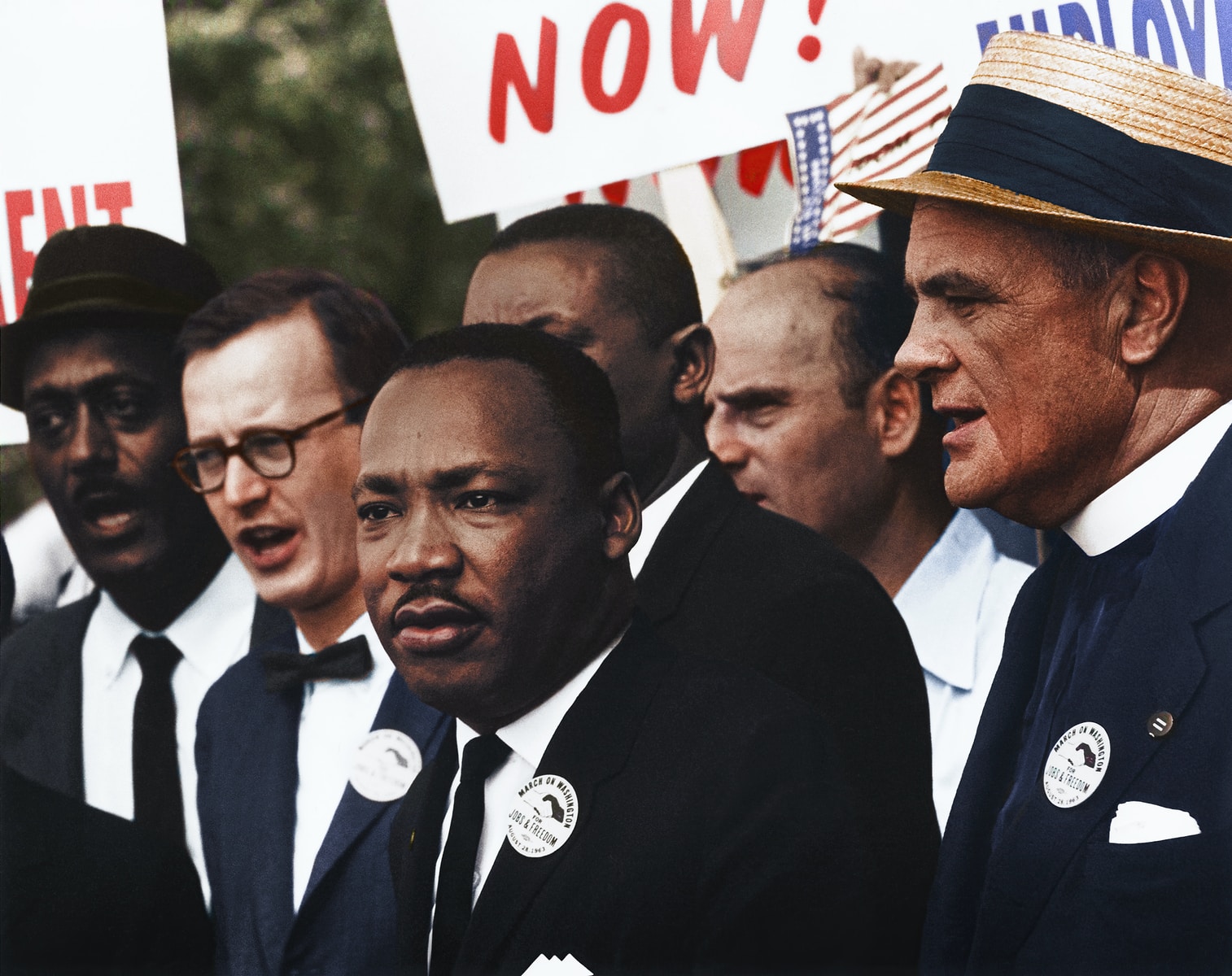
This story was first published on January 17, 2022.
During the next week and the month of February, we are likely to see online posts and people using quotations from Dr. Martin Luther King’s “Letter from a Birmingham Jail.” A few years ago, a friend talked of reading the letter in its entirety. This prompted me to do the same.
The letter, published on June 12, 1963, is 7,000 words long, which may be why I had not read it before. Then I learned that the letter was written in response to a statement by eight white religious leaders in the south calling Dr. King’s actions “unwise and untimely.” In the letter, Dr. King outlines the necessity of the movement’s nonviolent resistance to laws regarding segregation utilizing demonstrations, sit-ins, and boycotts. He discussed these actions as means to change unjust laws and establish justice.

The letter is thorough in defense of the actions taken, and its tone is righteous. What resonated with me is that the letter reveals Dr. King’s deep disappointment with white moderates. He wrote:
“I must make two honest confessions to you, my Christian and Jewish brothers. First, I must confess that over the past few years I have been gravely disappointed with the white moderate. I have almost reached the regrettable conclusion that the Negro’s great stumbling block in his stride toward freedom is not the White Citizen’s Councilor or the Ku Klux Klanner, but the white moderate, who is more devoted to “order” than to justice; who prefers a negative peace which is the absence of tension to a positive peace which is the presence of justice; who constantly says: ‘I agree with you in the goal you seek, but I cannot agree with your methods of direct action’; who paternalistically believes he can set the timetable for another man’s freedom; who lives by a mythical concept of time and who constantly advises the Negro to wait for a ‘more convenient season.’ Shallow understanding from people of good will is more frustrating than absolute misunderstanding from people of ill will. Lukewarm acceptance is much more bewildering than outright rejection.”
In rereading the letter a few days ago, I reflected on these words and believe that his disappointment would remain if Dr. King were still with us. Fifty-eight years later, we may focus on what has changed, but we must also examine the painful reality of what has not. We must ask ourselves: how much do white folks like me value maintaining order versus striving for justice? Dr. King wrote:
“We will have to repent in this generation not merely for the hateful words and actions of the bad people but for the appalling silence of the good people.”
As a white person who considers herself open-minded, I have come to realize how little I know and understand. I have become willing to learn, to listen, to read, and to engage with others who want to do the same and the patient people who are willing to help us. I have come to believe that my job today is to keep listening, learning, and growing, and especially to not remain silent.
