Erin is taking a break from writing. In the meantime, we will run stories she has previously written and published to her blog, the om place. This piece was first published in August 2020, as we were still reeling from the COVID-19 pandemic. Although Erin was exploring ways to deal with COVID-induced anxiety, lots of people are anxious today for other reasons. We thought this piece might be helpful.
I blink my eyes open and peer at my watch. 2:17 PM. I yawn and swing my legs onto the floor, then bend at the waist to stretch my back. Back in the Before, this was the time of day when I wrote. But that was Before. Most days, I trade writing for napping.
Because most days, I’m exhausted. All summer long, I have been blaming hormones for my lagging energy and motivation. I’m definitely less focused and more forgetful these days. Gotta be the lowered estrogen, right? Or maybe I need my thyroid checked. Possibly I have adrenal fatigue.
Then I remember Occam’s Razor, or the idea that “the simplest explanation is most likely the right one.” While any of these ideas would explain my fatigue, I take really good care of my body. I eat well, meditate, drink plenty of water, and exercise daily. So if it isn’t physical, it’s probably mental.
It finally occurred to me that I’m grieving. We all are. We are collectively navigating great loss and loss is exhausting. Humans are wired to like answerable questions, but the pandemic has given us loss without the wisdom that arises from closure.
Some of us are grieving deaths of friends or family. Since March, there have been three funerals that I would have attended were it not for covid. Coupled with the fact that I wouldn’t be seeing these people anyway right now, their deaths seem abstract, like a dream.
Some of us are grieving those rites of passage that mark human time, like graduations, birthday parties, and baptisms. If it isn’t celebrated, then did it happen? We’re also grieving those tiny moments that we took for granted, like the school bus picking up our child or hugging that friend we run into at the grocery.
Lots of us are grieving sports. I’ve been watching the Reds this week, and while I am thrilled to have baseball back in my life, it’s disorienting to see the Great American Ballpark empty and hear cheers that are clearly being piped in over the intercom. My brain is equally entertained and confused.
Everything takes twice as long to do half as much. Worst of all, there seems to be no end to this exhausting After.
Like so many other families, we spent much of quarantine nesting. We moved furniture and swept behind the dressers and finally replaced the blinds in our bedroom. We moved the bed in the guest bedroom so that now it has the best view in the whole house. We bought new sheets and pillows and fixed the fan over the bed, making an inviting and relaxing space should we ever have houseguests again.
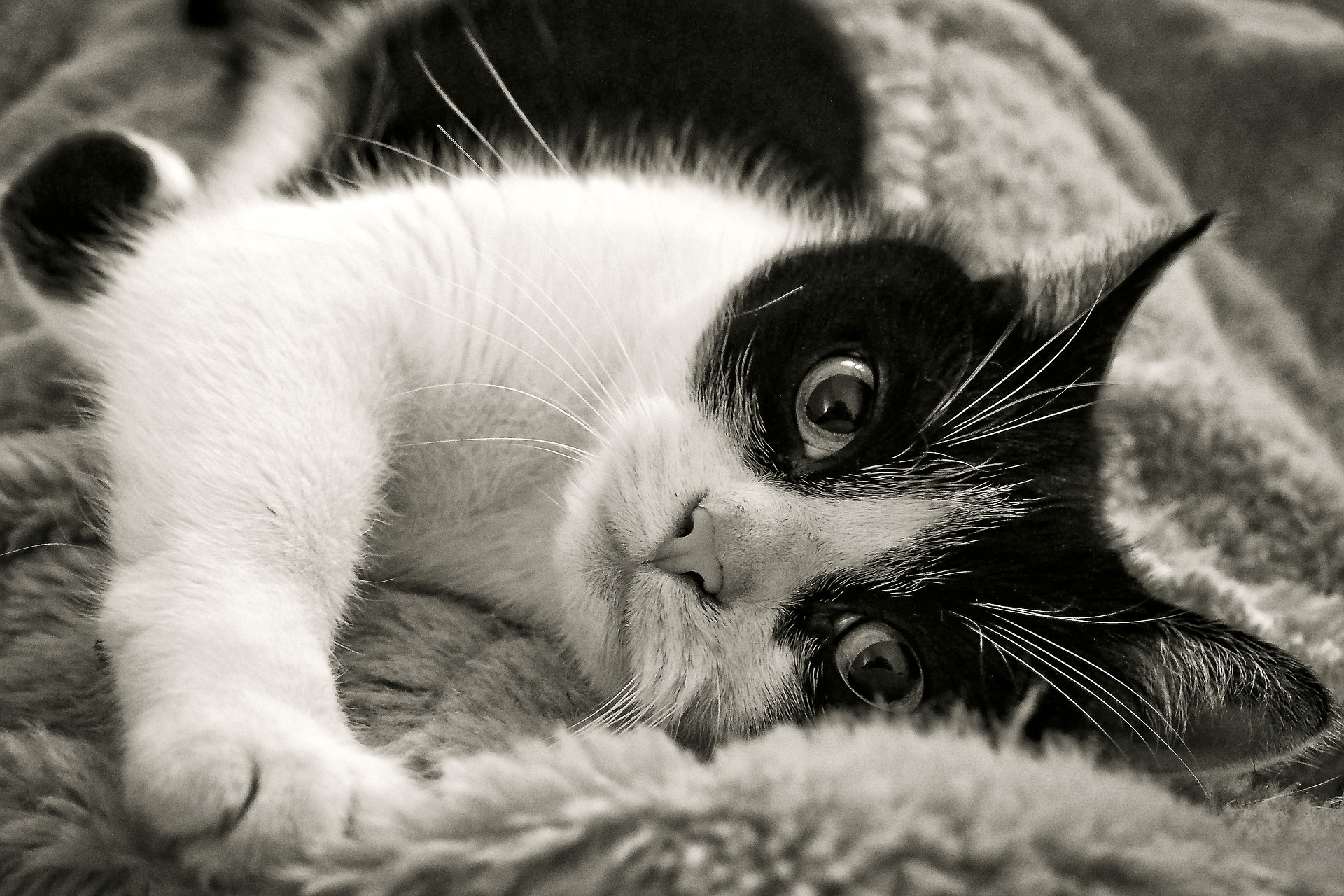
The room is so inviting, in fact, that it has been calling me. In the afternoons, the sun is still high enough to paint the whole room golden without being harsh. The new fan creates just enough ambient noise that I feel alone, even when Izzie and David are home. I can lean into the soft, downy pillows to read or just stare out at the valley. The cat is invited, but not the dog (Cat Stevens naps like a boss, but Barkley rolls around and takes up too much space). It is not a room for working, but a space for resting.
I have had to lower my productivity expectations. For me, this is not the time for great creative output, but a time to shore up and do less. Because even though there are plenty of moments of beauty and hope, there are also equal amounts of despair and disorientation. And I’m not alone. According to current Census Bureau data, more than a third of Americans are feeling severe anxiety or depression right now.
Never miss a thing with our FREE weekly newsletter.
And so, naps. Humans naturally experience an increase in drowsiness about 8–10 hours after waking. A short nap during this window of time leaves us calmer, happier, and more focused. A well-rested brain is much better at processing the glucose we get from food, giving us more mental energy throughout the day and helping our digestive system work optimally. Naps basically reboot us physically, mentally, and spiritually.
Daytime naps should last between 10 and 30 minutes; longer naps move us into deeper brain wave states and will make it harder to fall – and stay – asleep at night. And with more people working remotely, the afternoon nap is now within reach.
I imagine the caregivers are gnashing their teeth about now, insisting that a nap is magical thinking. But even those with small children or caring for aging parents can carve out ten minutes a day for themselves. The more stress we are under, the more important self-care practices like naps become.
And for those of us that simply cannot fall asleep? No matter. Resting your eyes in a horizontal position will give you similar benefits, even if you don’t actually doze off. For those with severe anxiety, try listening to binaural beats or a yoga nidra script from YouTube.
I hear my bed calling. I’m out.