
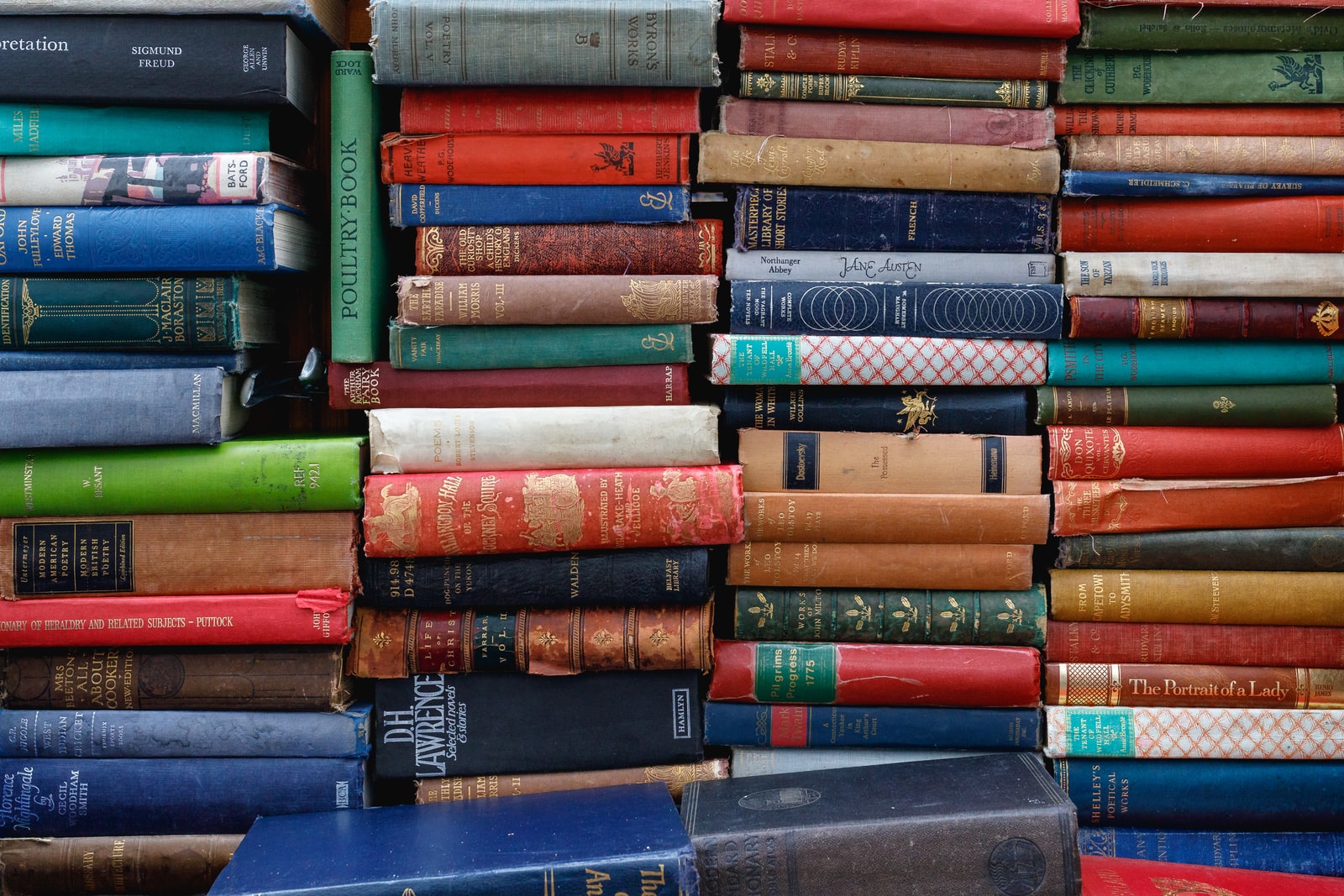
I grew up in a simple Cape Cod house. It had, at the time, two bedrooms and one bathroom for the five of us. When I was four, my parents added an extension to the back of the house with two bathrooms and a primary bedroom. The original bathroom was converted into an actual library. Bookshelves were constructed from floor to ceiling, and my father built a desk for us to research, work on homework, and to color with our markers and crayons.
Aligned like soldiers at battle, all our books were on those shelves, from Grimm’s Fairy Tales to books my parents purchased. We would sit on the floor on rainy days and read for hours on end.

One day, a book caught my eye and I started reading The Carpetbaggers by Harold Robbins. Honestly, I cannot tell you the plot or anything else, except the book did contain some sex and language unbecoming a 12-year-old. I do remember my mother saying that it was inappropriate for me to read. That was all she had to say. Every time she left the house, my nose was in that book. I wanted to know what all the fuss was about. Strangely enough, my parents never hid the book. It stayed right on that shelf. My first experience with book banning was actually a choice to read.
As a librarian, the hair on the back of my neck raises a little when I hear or read about banning books. I have spent the majority of my life handing out books to friends or posting about them on social media. I ask people in waiting rooms, at restaurants, and on planes what they are reading. Why? I feel reading is a reflection of an individual.
Some people read only nonfiction. Some readers love a great mystery or historical fiction. My repertoire is varied. I love fiction. I relish a book of poetry that brings nature into my easy chair and the sounds of winds and gurgling streams with it. I love a historical fiction when I walk the open fields of the West or climb the hillsides of Appalachia.
As far as I am concerned, book banning destroys the idea of creativity. What it is promoting is for all of us to think alike, be alike, and allow others to decide what we can or cannot read. I was lucky. In times when parents were not necessarily forward-thinking, mine were. They allowed me to read, explore, and even though the book might have been a bit mature for me, it was never taken off the library shelf.
I would only hope that we have the same foresight as my parents did fifty years ago, to continue the legacy of the written word and allow books to stay on the shelf.
