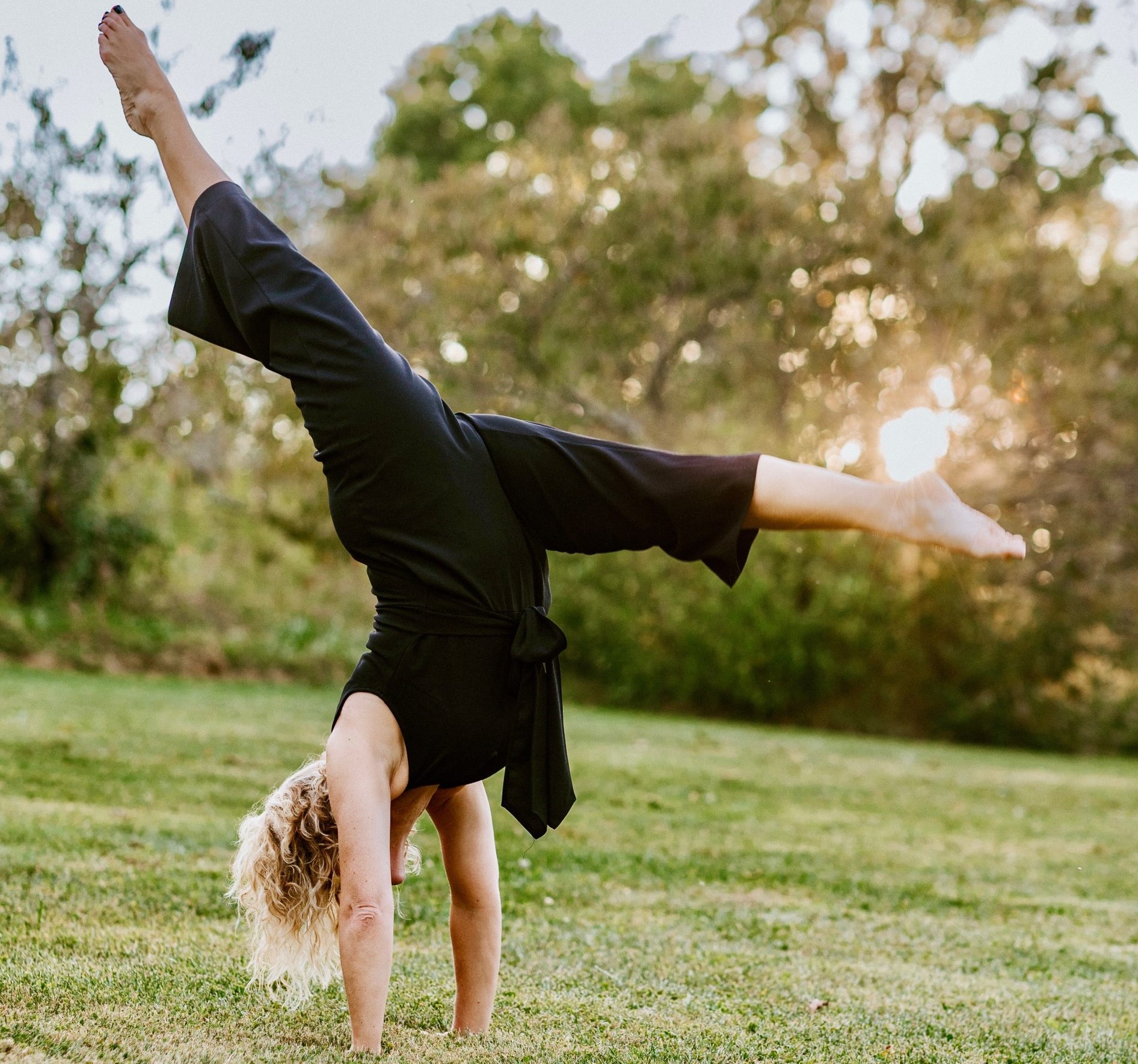
“The opposite of play is not work – the opposite of play is depression.” ~Dr. Stuart Brown
Last week I learned two things that I simply cannot stop thinking about.
Fact One:
The word fun comes from the Middle English fon, meaning to act the fool. Henry VII thought that fun was, “a Continental (French) vice that has brought no good.” So he passed laws that officially banned activities of all fon, while simultaneously increasing taxation for everyone. Henry, unsurprisingly, is remembered as a serious, miserly, and tyrannical king.
Fact Two:
Male pandas often urinate upside down. This handstand peeing gets the male’s scent all over the area. Pandas also love to somersault, forward- or side-rolling many times over down a hill. And there is no biological imperative for this behavior. As best we can tell, pandas just like to roll around because it’s fun.
My generation has been encultured to equate having fun with feeling guilty because we’re not working. We’ve been taught that fun is only for children.
Fun, or what I like to think of as pleasure without purpose, is entertaining and enjoyable. Something done purely for its own sake. It’s a vague feeling, and often hard to describe. It’s highly subjective; what feels “fun” to my husband — heavy metal concerts — feels like fingernails on a chalkboard to my nervous system. And I would play cards all night long, but David grows bored before I’m done dealing the first hand. He loves playing tennis, while I prefer dancing alone in my kitchen. I love jigsaw puzzles, and he loves to cook. While our “funprint” may vary, our enthusiasm for it doesn’t.
I think, collectively, we need to channel our inner panda. But our current life has a real Tudor vibe right now.
Never miss a thing with our FREE weekly newsletter.
When did life get so serious? Who has the time or energy to play when there is so much suffering to alleviate? It would be easy to blame the pandemic for ruining fun, but our Puritanical work ethic was pretty intense even before COVID. My generation has been encultured to equate having fun with feeling guilty because we’re not working. We’ve been taught that fun is only for children. In fact, in a study of 2,000 adults, over half said that it becomes harder and harder to find enthusiasm in everyday life after the age of 45 (um, yikes). Everyone is biohacking to “optimize” every last aspect of their life. We are expected to smash the patriarchy and reverse climate change and elect those who might further the agenda of our individual belief systems. And when we are not actively doing these things, we feel we should be posting about them or worrying about them.
I’m all for making the world a better place. But it would behoove us all to have more fun. And I’m not alone.
I’m all for making the world a better place. But it would behoove us all to have more fun. And I’m not alone. The same number of those 2,000 adults surveyed reported that they desperately wished to reclaim that imagination spark from their childhood.
Humans were designed for fun. The drive to play arises from the limbic system, the most primitive part of the brain. This part of the brain is associated with memory and emotion. When we engage in fun endeavors, we’re building cognitive flexibility, while simultaneously learning to collaborate, empathize, and problem-solve. Fun protects our long-term memory, eases pain, and helps us sleep longer and more deeply. In other words, fun isn’t frivolous. It may be without purpose, but the feel-good cocktail of endorphins, dopamine, and serotonin that are released in our bloodstream is all too real. These hormones can help alleviate stress or feelings of hopelessness.
But it’s also ludicrous that I am defending fun. Fun needs no defense because it’s fun. Fun is our birthright and an antidote to the constant stress of adulting in today’s world.
What was something you did growing up that was just for fun? Consider this your permission slip to leave work early and go it now.